Treated across installed lines
Systems deployed
m³/h handled on a single line
Why PURA?
A different approach to air treatment.
Carbon traps the molecule and hands you hazardous waste. An oxidiser burns it and hands you a gas bill. A biofilter feeds it and hands you a bed to keep alive, and it channels after heavy rain. All three turn an air problem into a second problem you also have to pay for. PURA replaces traditional oxidisers, activated carbons and biofilters with one process, and saves energy while it does it.
Thermal oxidiser
Burns methane to hold 700°C
The heat has to come from somewhere, so the meter runs whenever the line runs. The methane becomes CO2, and the by-products of combustion go up the stack with it.
About $275,000 a year in gas on a 100,000 scfm lineActivated carbon
A subscription, not a purchase
The bed saturates and has to be changed, and what comes out is handled as hazardous waste. Operators lose 100 to 200 hours a year to media handling alone.
$10,000 to $20,000 a swap, every 6 to 12 months, before disposalBiofilter
A living bed that has moods
It needs the media managed for as long as it runs. When it channels after heavy rain, the complaints arrive before the readings do.
High maintenance, and channelling after heavy rainNone of the above. The molecule is converted where it flows.
See howThe plasma principle
Air, turned into a reagent.
A non thermal plasma is an electrical discharge sustained in air at atmospheric pressure and near ambient temperature. It does not heat the gas. What it does is knock ordinary air molecules into short lived, highly reactive fragments.
Those fragments are the working part of the process. They are grouped as ROS, reactive oxygen species, and RNS, reactive nitrogen species. They meet the pollutant molecule, break it apart and convert it into stable, harmless compounds. Nothing is trapped, so nothing is left to empty, burn or bury.
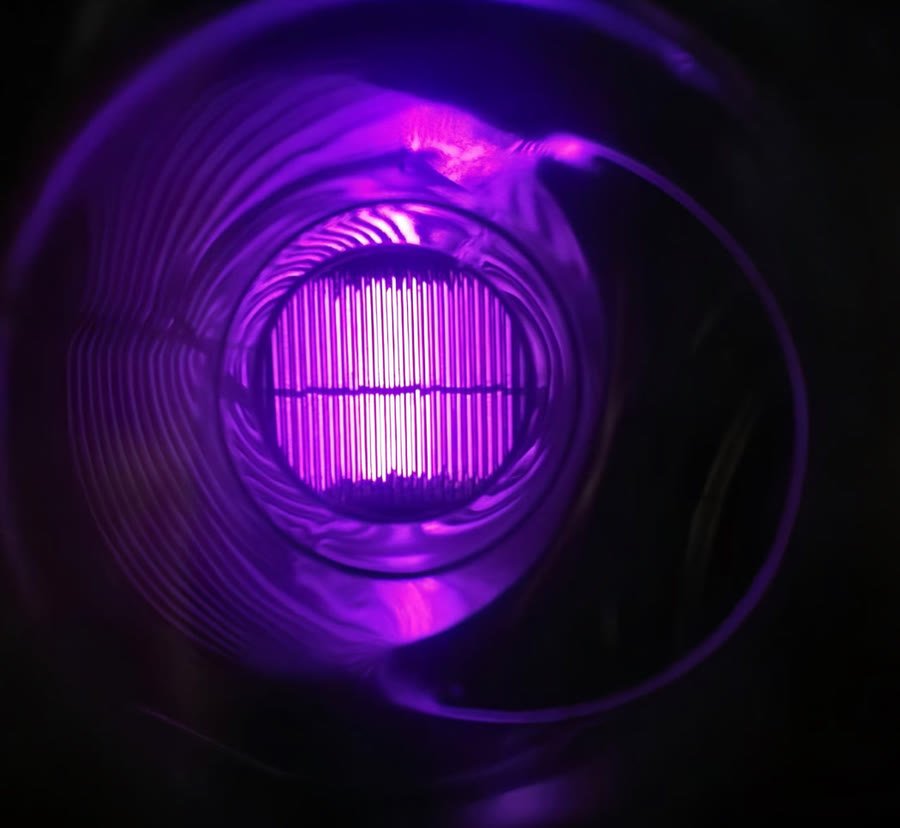
Plasma that adapts to the process.
The discharge is not fixed at commissioning. It is modulated to the air flow, the pollutant concentration and the odour load, so one system follows a line through a change of shift, of product or of season.
Two minutes
The whole process, explained.
From ordinary air to a clean stack: what the plasma does to the molecule, and how the two systems sit on a real line.
Nothing loads from YouTube until you press play.
The technologies
Two plasma technologies. Built for different challenges.
Plasma is the common foundation. Beyond that they are different technologies, with different plasma systems, different reactor architectures and different treatment approaches. Which one fits depends on what is in your air and how it moves.
Indirect plasma technology
The reactor stays outside your duct.
Clean ambient air passes through a dedicated indirect plasma reactor, which turns it into plasma activated air carrying the reactive species. That activated airflow is then introduced into the contaminated process airflow, where the treatment takes place.
Explore odour removalDirect plasma technology
The process air goes through the plasma.
With direct plasma technology the contaminated process airflow passes directly through a plasma treatment system designed for it. A different plasma system and a different reactor architecture, not the indirect reactor moved into another duct.
Explore VOC removalEach technology is presented here under the application it is most often chosen for. Neither is limited to that one class of pollutant.
Where it runs
Some of them, with their flows.
Every figure below is a real installed flow from PURA's own list, shown with a photograph from that kind of installation.
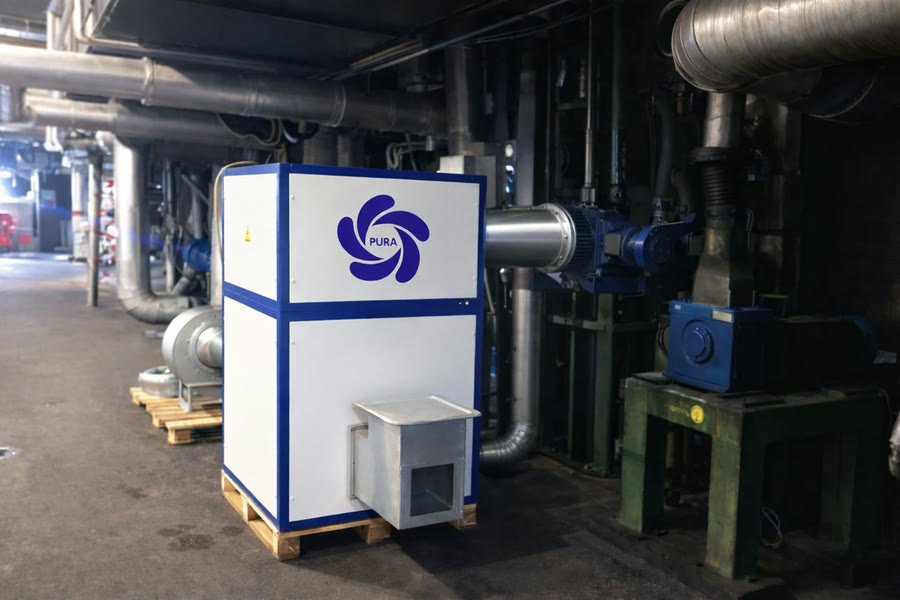
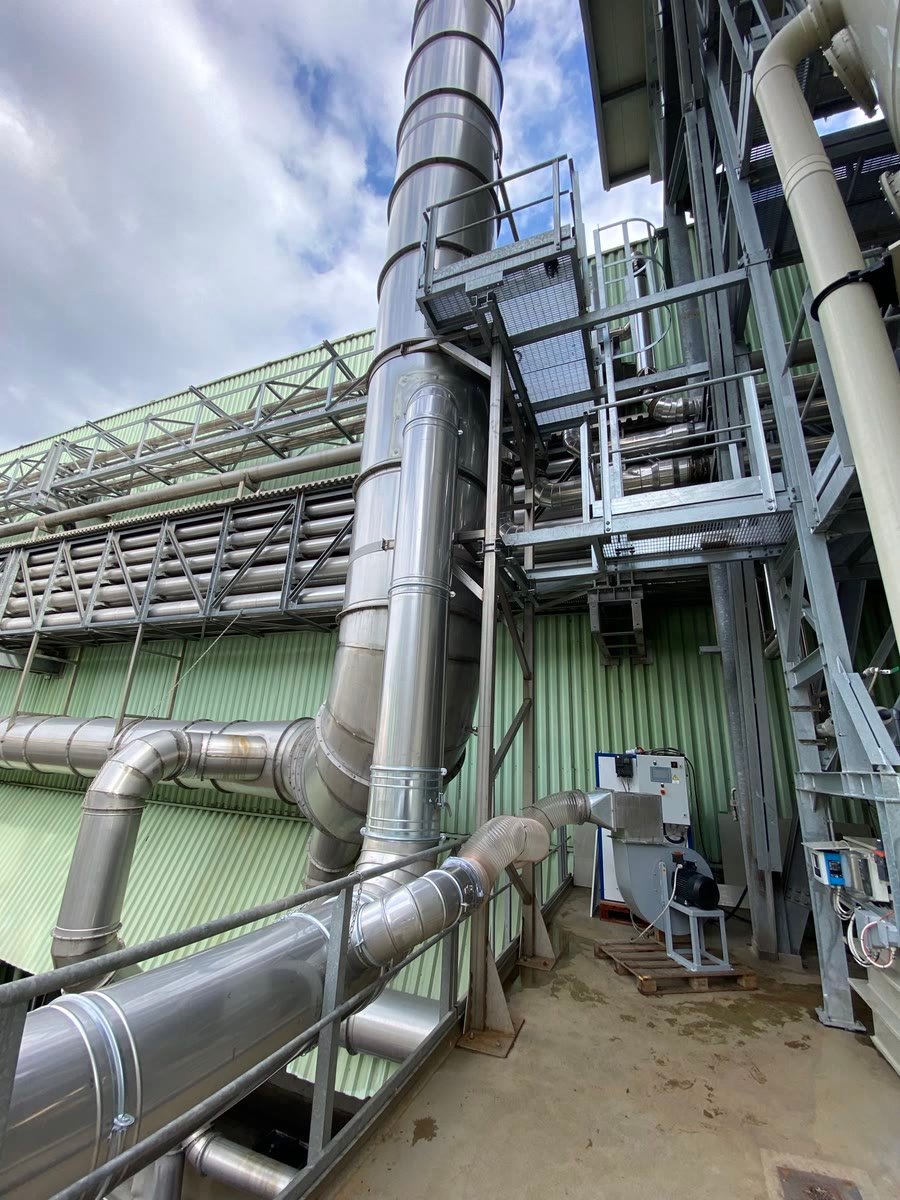
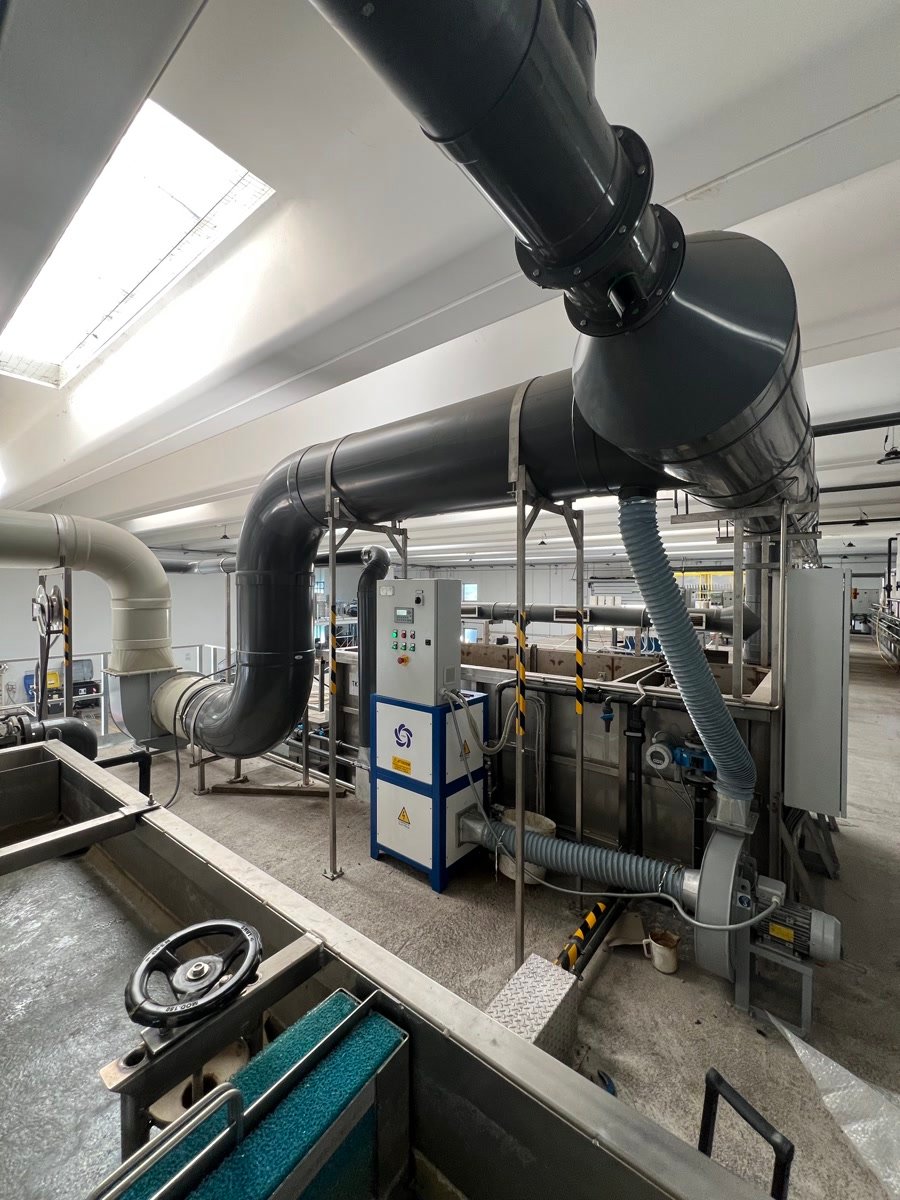
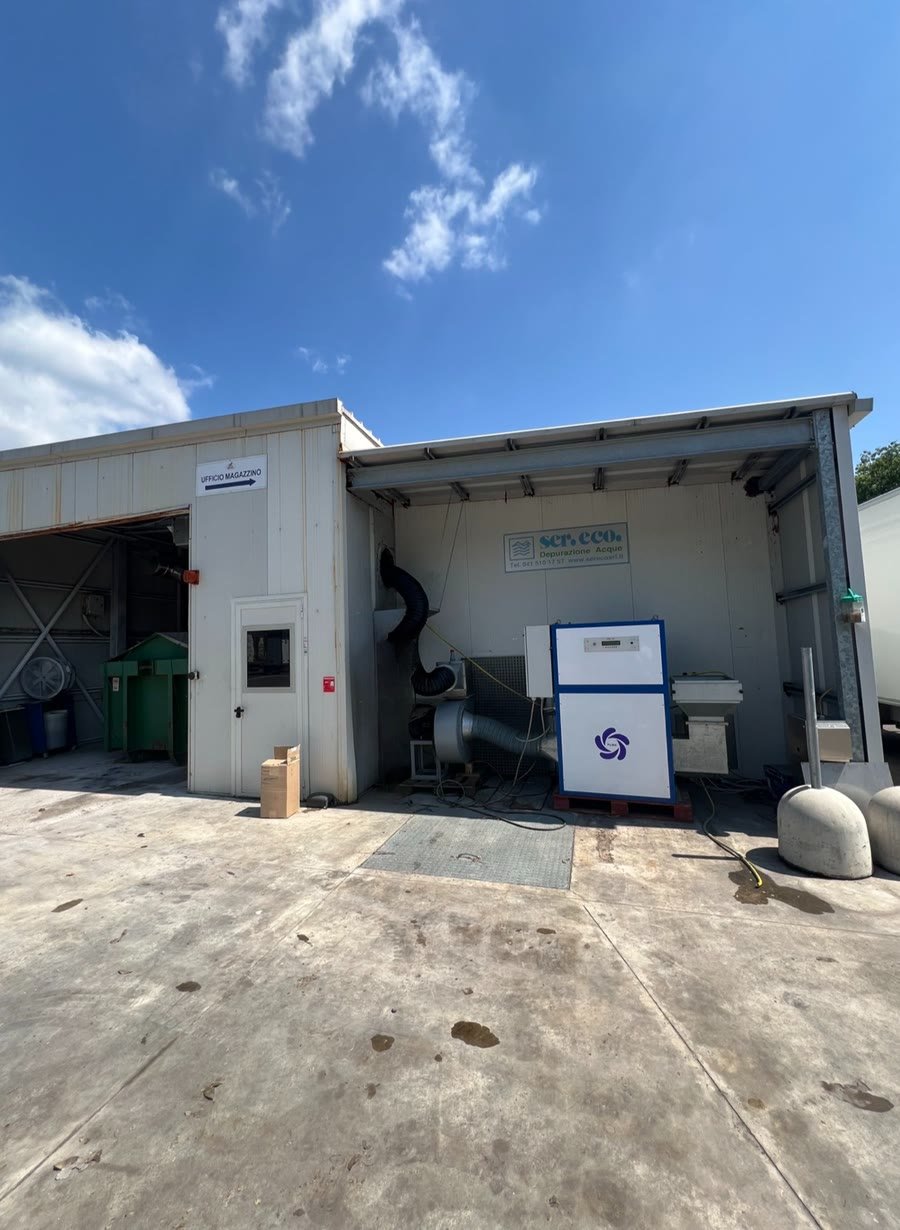
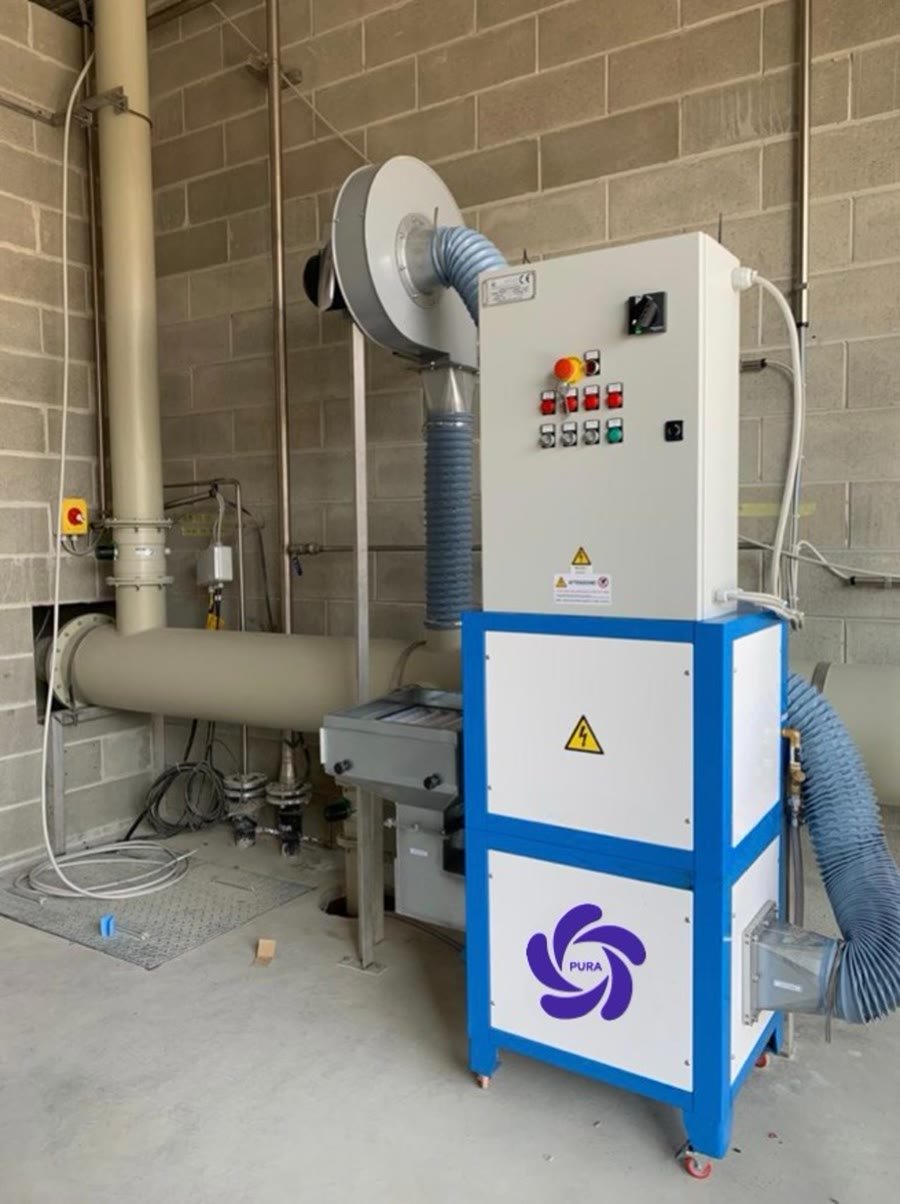
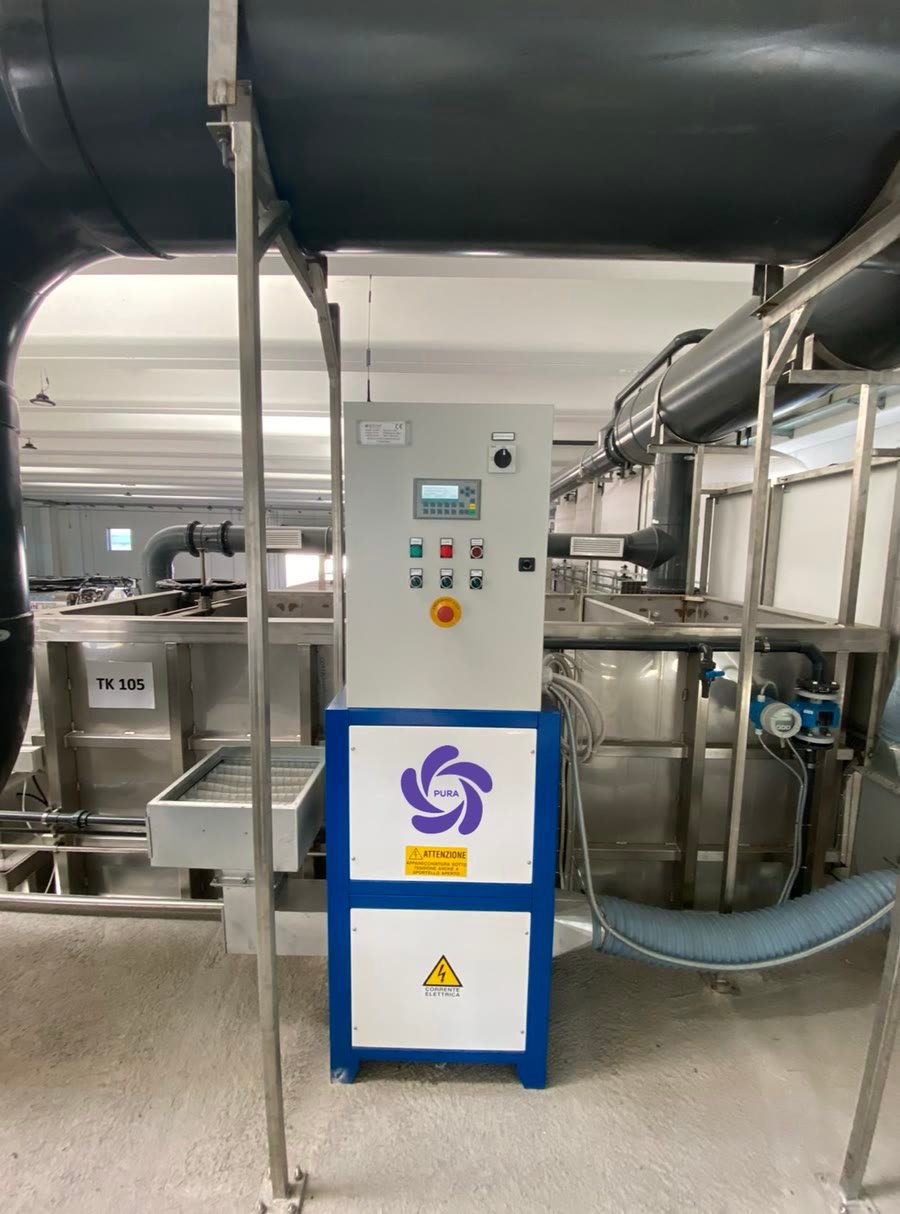
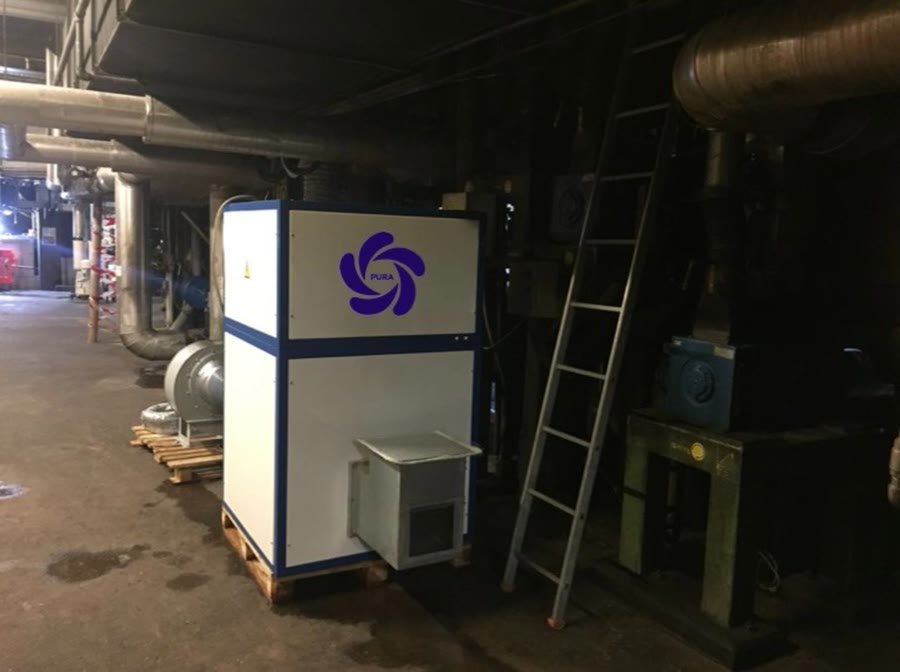
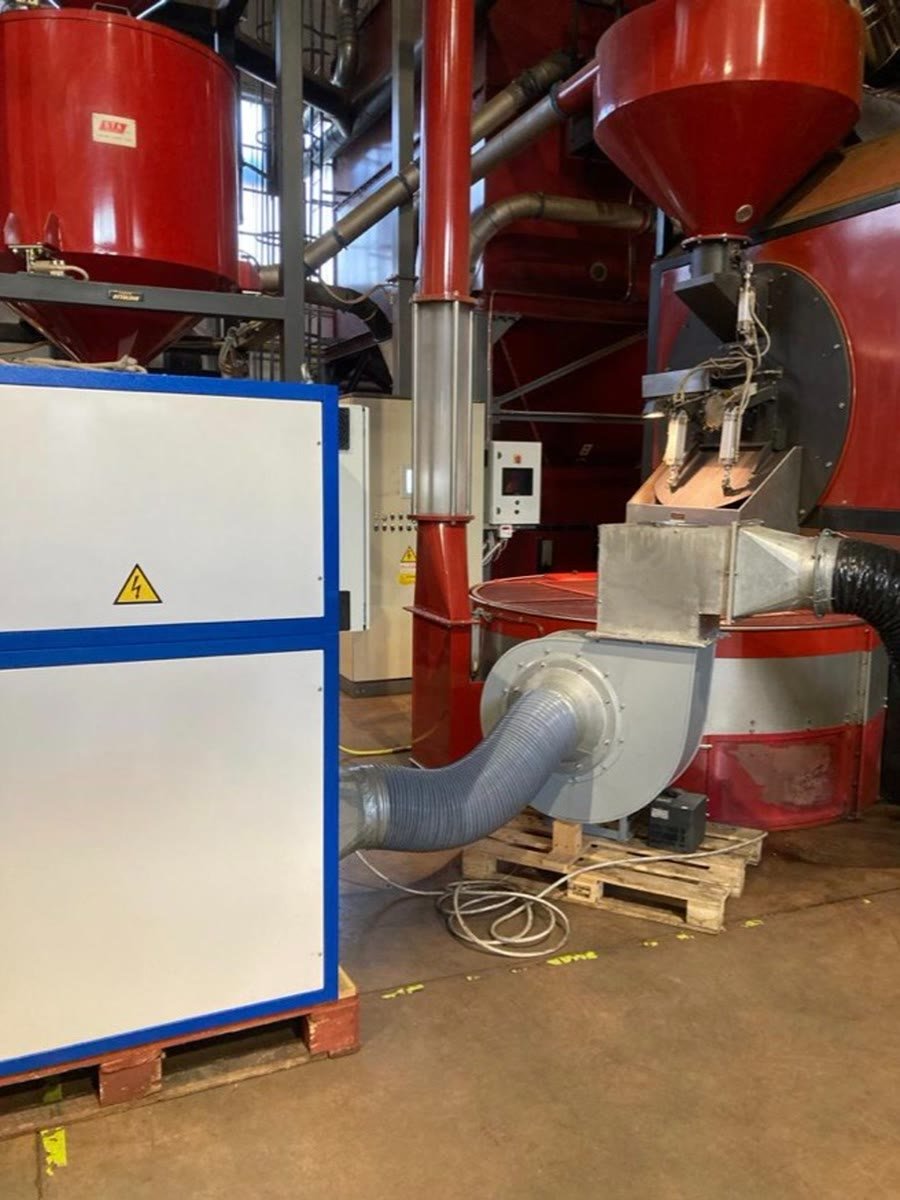
Our own footage. Nothing loads from YouTube until you press play.
Also installed on brake pad production and automotive painting lines, where the target is VOCs.
The plain facts
What the machine does, and does not, need.
PURA's own list, tightened.
Modular, so it is built to the flow you actually have.
Plug and play. Easy to install, easy to use, and it connects to the ductwork you already have.
High abatement rate, held over time.
Plasma parameters adapt to the characteristics of the flow: its size, its odour units, its VOC concentration.
Highly efficient, with low energy consumption, because nothing is heated to 700°C.
Maintenance is infrequent, and its cost is low.
No water and no chemicals in the process.
No waste to dispose, so no second waste stream to pay for.
No methane, so no gas contract tied to your abatement.
No CO2 produced by the treatment itself.
Low investment and low operating costs, on top of the environmental case.
Odour and VOC reduction at the same time, from the same reactor.
Before you send your flow
Straight answers.
Plasma sounds experimental. Is it actually running anywhere?
Yes. More than twenty systems are deployed. Eight lines have a published flow, 323,000 m³/h between them, and two more automotive lines treat VOCs. The largest is a paper mill at 140,000 m³/h. The technology is patented and PURA designs and manufactures the machines itself, at both laboratory and industrial scale.
Will it hold my flow?
A single line runs from 1,000 to 140,000 m³/h, and the system is modular, so it is sized to the flow rather than sold in fixed steps. Send us the flow rate and what you are treating and we will tell you plainly whether it fits.
What does it do to my power bill?
A thermal oxidiser holds 700°C by burning methane, which is a gas bill that scales with your operating hours. PURA burns nothing. It runs on electricity, and the consumption is low because the air is never heated to 700°C.
What waste does it create?
None. There is no bed to saturate, no media to change, no acids, no water and no secondary waste. The molecule is converted in the airflow rather than captured, so there is nothing left over to store, transport or pay to dispose of.
How long is my line down for the install?
The system is modular and plug and play. The indirect system connects to the process duct you already have at a single injection point, so the main line stays as it is. The direct system is built into the duct run, because there the duct is the reactor. Tell us your layout and your shutdown window and we will give you a real schedule rather than a brochure answer.
Is the imagery on this page real?
The installation photographs are ours, taken on the sites where the machines run, and the discharge photograph is our own reactor. The scroll animation at the top is a generated visualisation of the process, not a photograph.
Next step
Tell us the number and we will tell you if it works.
The contact page asks for four things: flow rate in m³/h, sector, what you are treating, and an email to reply to. That is enough for a first honest answer. If plasma is wrong for your case we will say so.
Send us your flow and we will come back with whether plasma fits it, and what it would take.
Send us your flowPURA, Pralormo (TO), Italy. eco@pura.eco, +39 353 475 5542.